Pavement Maintenance Program
2026 Project Information
Each year, the City begins a refresh of neighborhood streets that helps extend the life of roadway infrastructure throughout Castle Pines. This effort, known as the Pavement Maintenance Program, is a strategic, proactive approach to extending the lifespan of roadways while minimizing the cost of maintaining road surfaces.
The community is divided into regions to focus on each year, and using several software systems, staff analyzes which roads should be addressed and which repair method should be used.
Areas Identified for Improvement
The primary areas of focus for the 2026 program include neighborhoods in the western portions of the City.
View an online dashboard containing locations, status, schedules, repair methods, and other details. The first project began in mid-May, and all projects are expected to be completed by the fall.
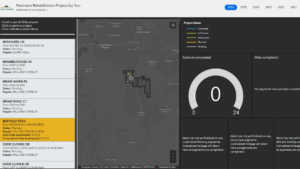
View the online dashboard for the latest information.
Road Improvement Methods
Depending on road conditions, there are several repair and maintenance options that can be used to extend the life of the roadway infrastructure. Check out the various methods below for more information about the different approaches.
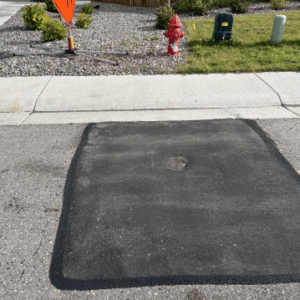
Patching
When the entire area does not need to be replaced, patching is used to repair localized damage in asphalt surfaces. It is used below other surface treatments when the damage is deeper, and is a cost-effective way to fix specific issues and extend the life of the pavement.
Crack Sealing
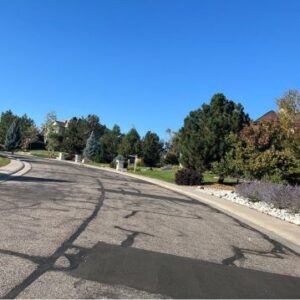
When water infiltrates cracks, it can weaken the base and sub-base layers, leading to more severe pavement issues. Crack sealing is used to keep water and debris out of pavement cracks by filling these cracks with a hot, rubberized sealant to create a barrier against moisture. This preserves the structural integrity of the pavement.
Slurry Seal
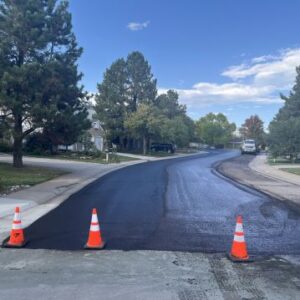
A slurry seal is a cost-effective maintenance treatment for asphalt pavements, used to extend their lifespan by sealing cracks, restoring flexibility, and improving skid resistance. It's a mix of emulsified asphalt, water, fine aggregate, and additives that's applied to the existing pavement surface.
Mill and Overlay
Often done to remove irregularities, adjust the grade, or fix damage like ruts or cracks, this method removes the top layer of a paved surface to prepare it for resurfacing or repair. The milled asphalt can then be recycled and used in new paving projects.
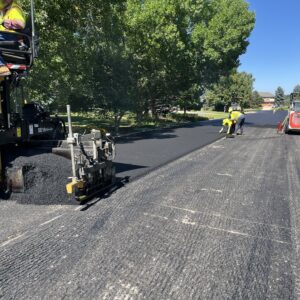
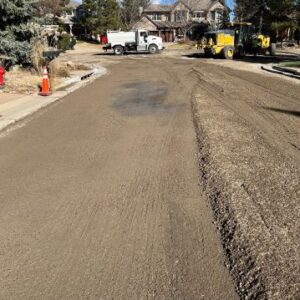
Full Depth Reclamation
Complete removal and replacement after the asphalt's life cycle.
FAQs
How does the City determine which locations are included each year?
The City uses software and consulting engineers to determine locations annually for repair with its given budget. Each year, different areas of the City alternate for proposed repair, but all locations that pose dangerous conditions are taken very seriously and will be addressed. Structural integrity is analyzed for longevity and cost-effectiveness, but safety concerns are prioritized.
Who do I contact with questions?
To receive the quickest response, please email pwrequests@castlepinesco.gov. The City will then be able to track your concern and assign your request for an inspection as needed.